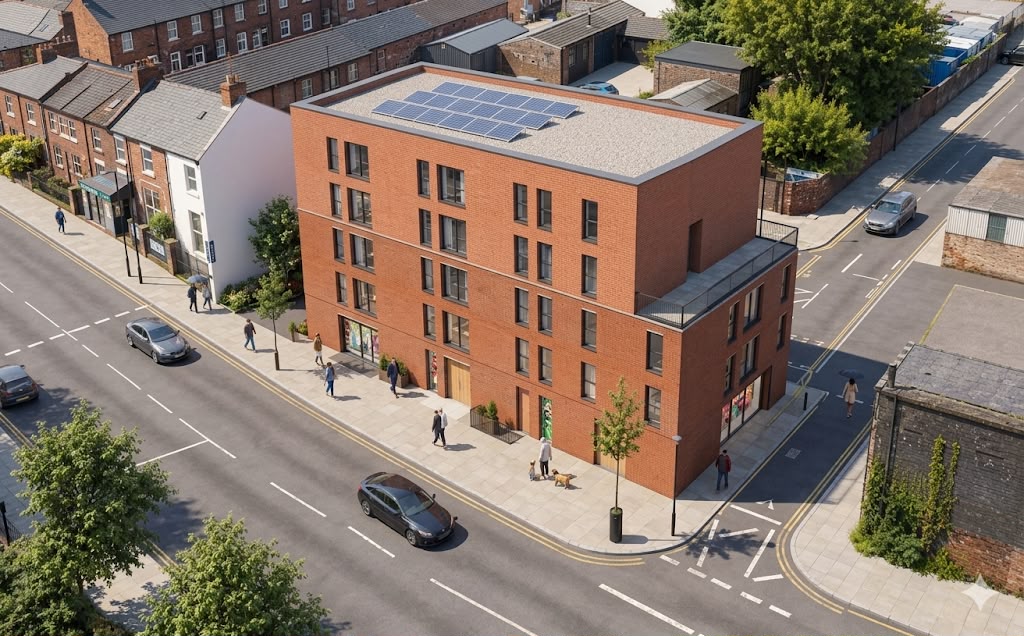
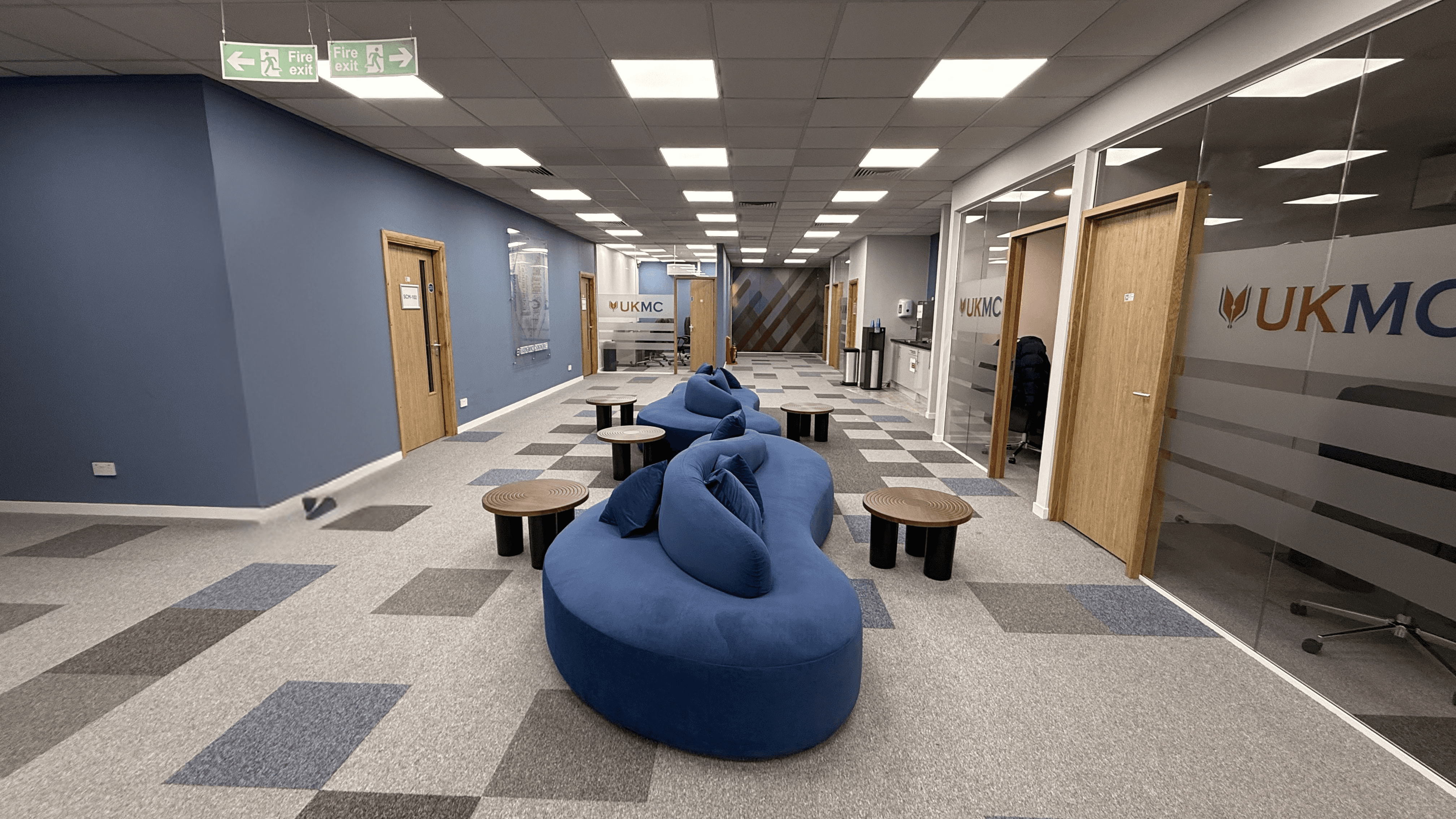
Change of Use Strategies: 5 Plays to Turn Vacant Assets into Cash Flow (2025)
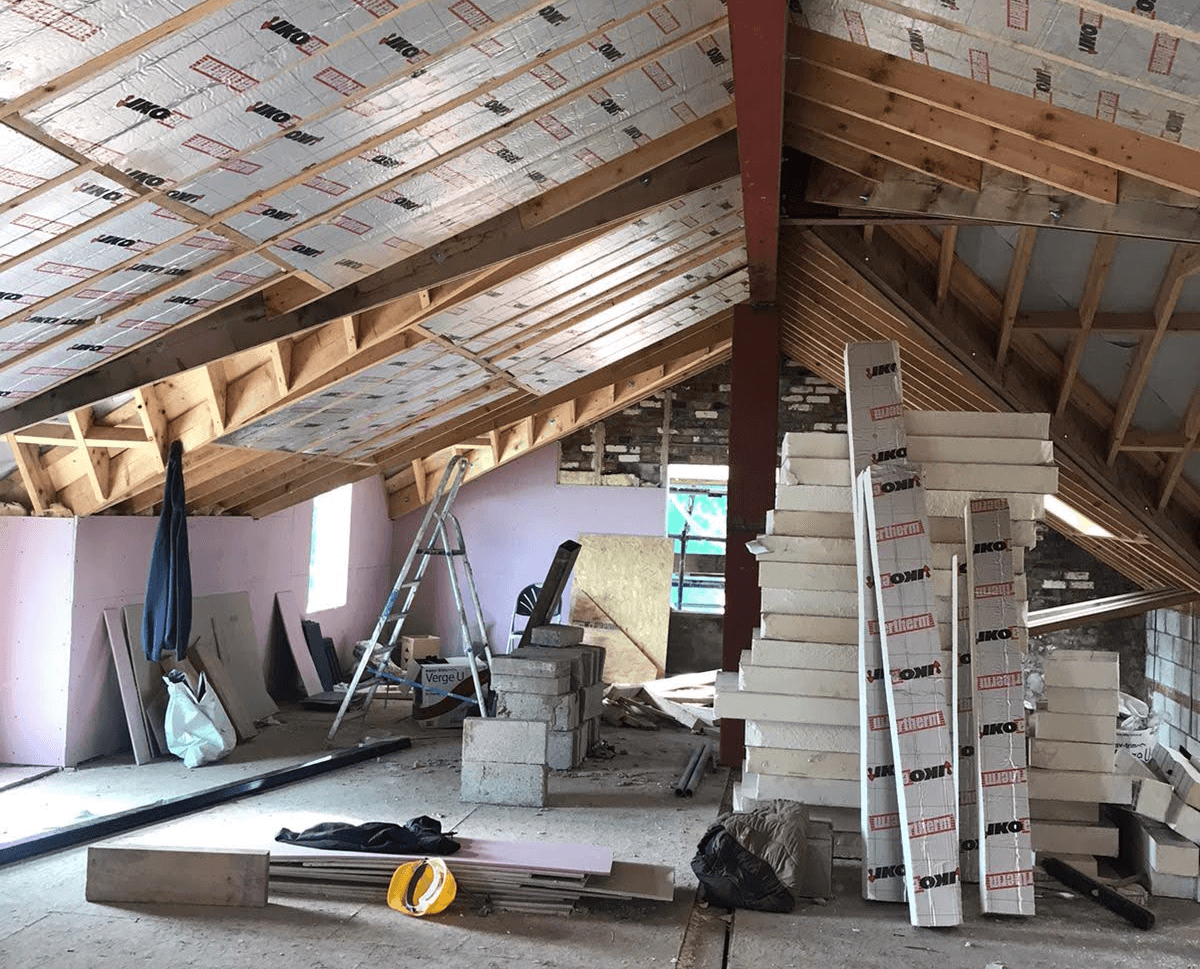
Change‑of‑use can be an investor’s fastest ROI play because it unlocks demand-led uses without heavy capex or long build programmes, especially via permitted development and prior approval routes now more flexible in 2024–2025.
This is a beginner's guide that distils five proven strategies, the approvals likely needed, and the sequencing to move an empty building from holding cost to resilient income quickly. It is tailored to UK property investors and small developers seeking speed, compliance, and clear feasibility decision gates in the 2026 property market.
What Change-of-Use Is—and Why It Works for Investors
In property investment, 'change-of-use' refers to converting a building from one approved purpose to another—for example, turning an old office block into residential flats.
This strategy works because it adds instant value without waiting for long-term market trends to increase capital growth.
Takeaway – For investors, it can:
Unlock hidden value in under-utilised buildings
Generate higher rental yields by repurposing into higher-demand uses
Provide quicker ROI compared to ground-up development
Hedge risk by diversifying an asset’s income potential
In short, instead of letting an empty building drain resources, you can reposition it to become a cash flow machine.
5 Proven Change-of-Use Strategies
1. Offices to Residential
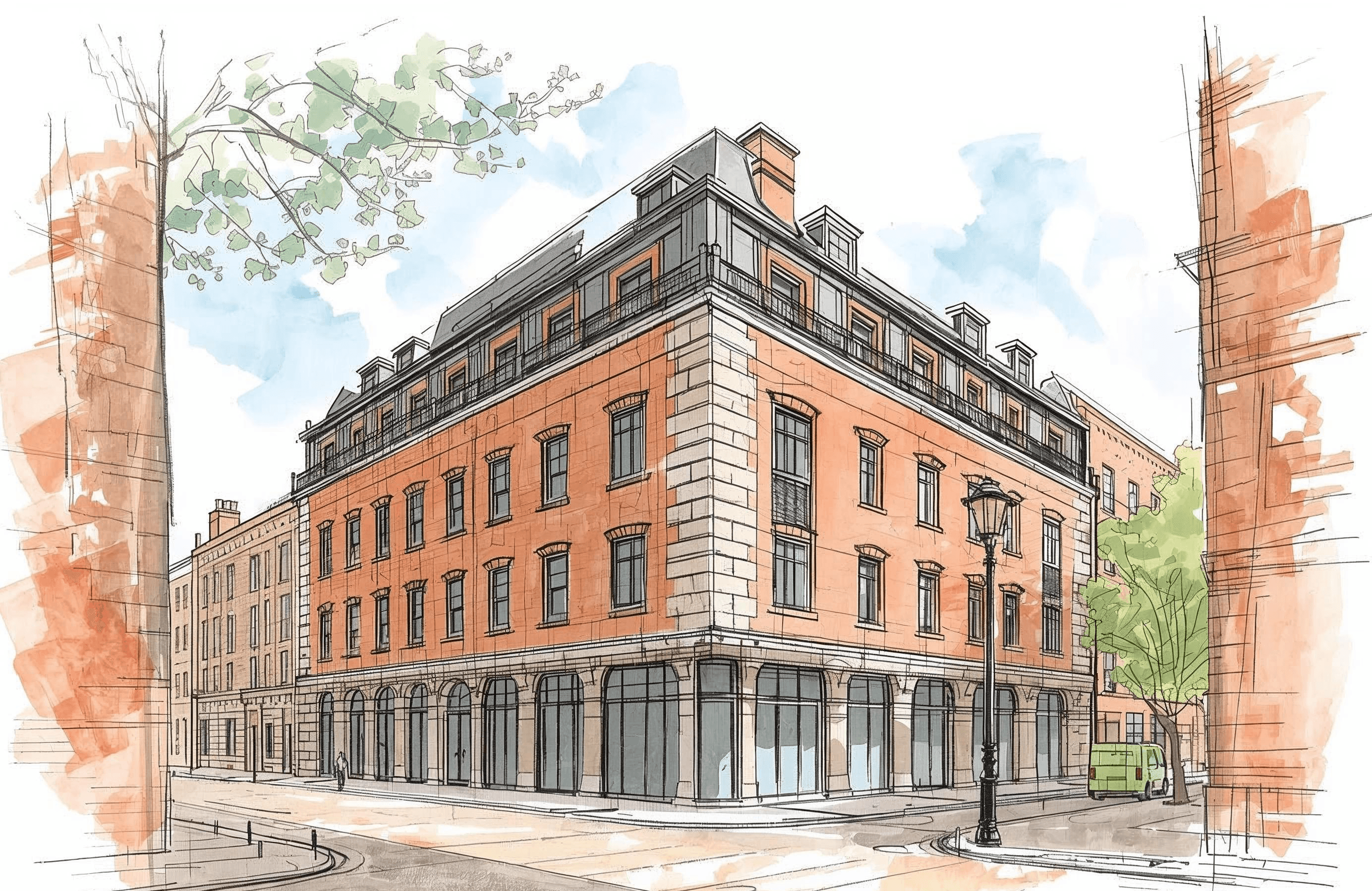
With hybrid working reducing demand for office space and housing shortages at a peak, converting offices into studios or apartments can deliver premium returns. For example, turning a city-centre office block into 20 'compact' units allows an investor to tap into both rental and resale value.
Investor note: Smaller units in urban locations often outperform in rental yield.
To watch out for: Make sure you comply with NDSS!
2. Retail to Hospitality (Shops into Cafés, Bars, or Restaurants)
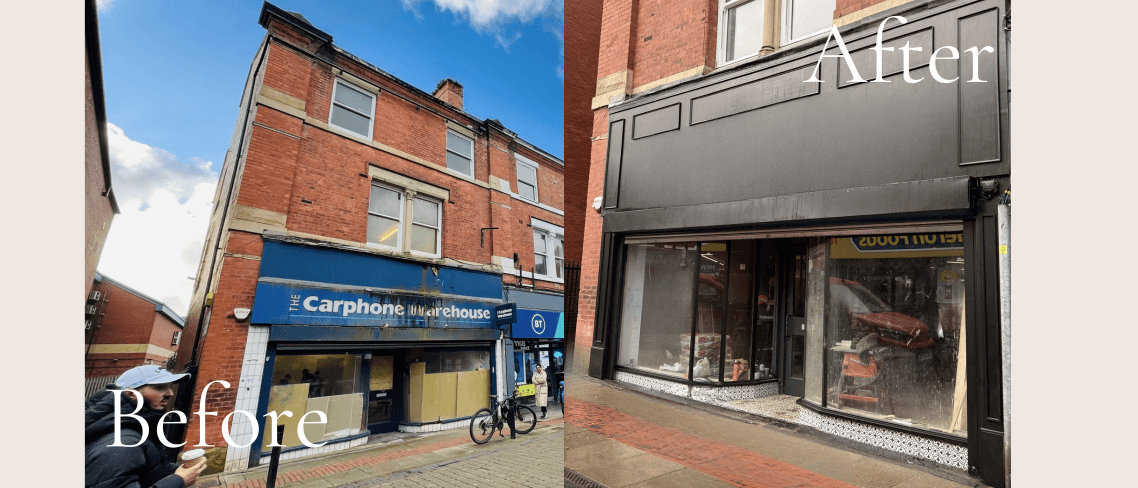
High-street retail may be contracting, but footfall-focused uses like boutique cafés, microbreweries, or experiential dining concepts are growing. Transforming a vacant shopfront can immediately boost revenue streams.
Example: A disused bookshop repurposed into a café and co-working hub doubled rental returns versus its original retail rents.
3. Industrial to Creative/Workspace Hubs

Old warehouses and light industrial units are increasingly popular for conversion into flexible workspace, artist studios, and craft breweries. These conversions benefit from high ceilings, open-plan layouts, and lower purchase prices.
Investor note: Demand for affordable creative and mixed workspace remains undersupplied in urban growth centres.
To watch out for: Prior to purchase, ensure the planning policy will allow you to convert / there are chances of conversion in planning terms.
4. Hotels/Guest Houses to HMOs (Houses in Multiple Occupation)
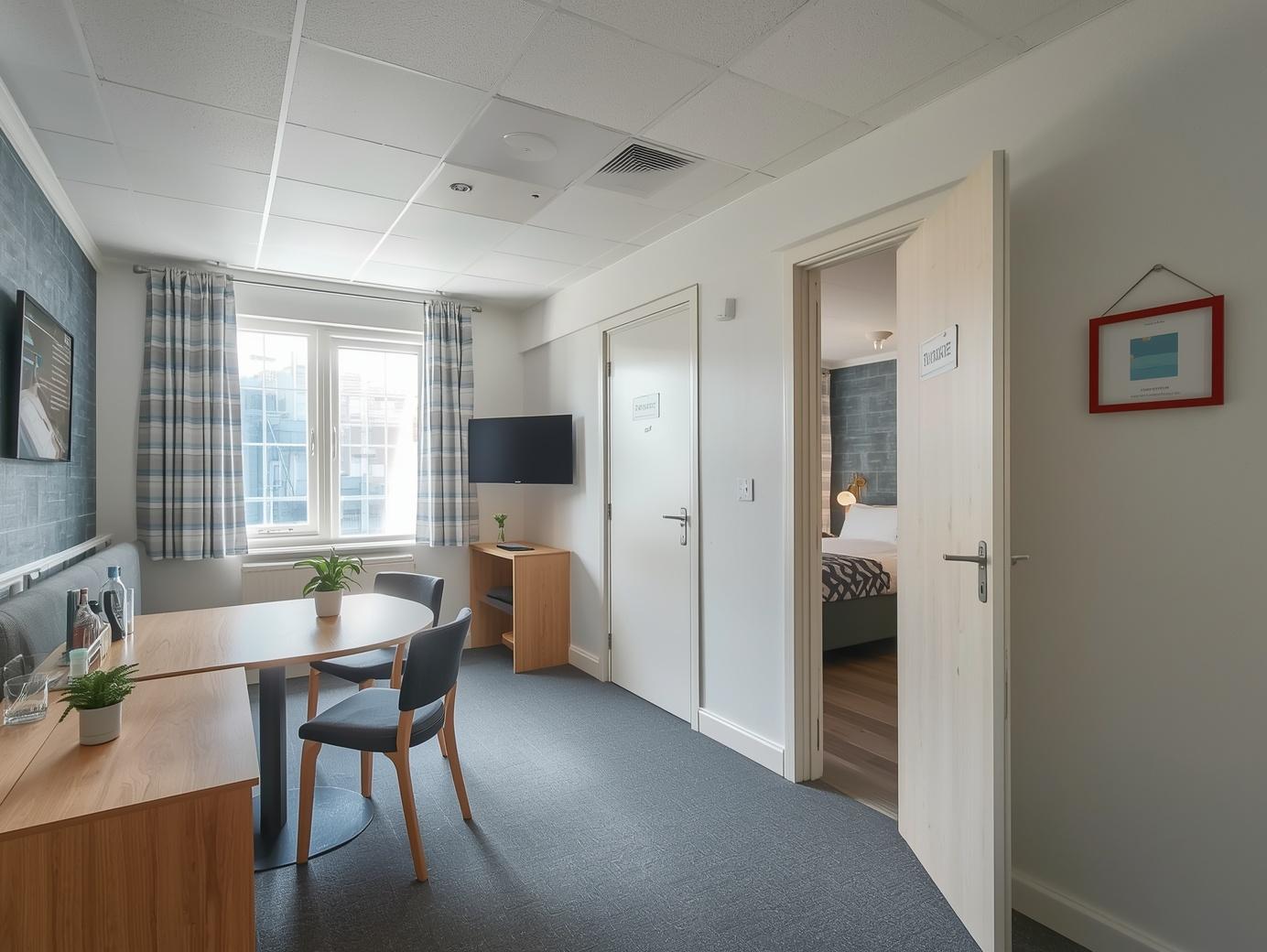
With shifting travel patterns and the rise of Airbnbs, many smaller hotels have struggled. Retrofitting them into HMOs allows investors to benefit from high per-room rental income.
Investor Note: A 12-room guest house in a commuter town, Leigh (in Wigan) repositioned into student accommodation delivered almost double the yield compared to its operation as a B&B.
To watch out for: Certain areas have Article 4 directives preventing conversion of these type of property conversions.
5. Public Buildings into Niche Residential (Schools, Pubs, Churches)

Character-rich buildings like pubs, old schools, or chapels often attract planning interest but can deliver significant value once converted into residential or niche use (e.g., wedding venues or serviced apartments).
Investor win: Unique character properties often achieve a value uplift premium far beyond standard new-build units.
To watch out for: Check heritage listing! A lot of these buildings are listed by Heritage England which makes their conversion more expensive than non-listed properties.
Planning Considerations for Change-of-Use
Before diving in, you will need to carefully assess the following:
Permitted Development Rights (PDR): Some conversions (e.g., office-to-residential) may bypass full planning applications under UK PDR, expediting ROI.
Local Demand Data: Always pair conversion ideas with tenant/occupier demand in your target market.
Structural Feasibility: Check if major works (like extra plumbing for HMOs) are viable within cost margins.
Neighbourhood Fit: Councils often look at community benefits, so they align with local needs.
Planning risk can be your biggest barrier—or your competitive advantage if navigated correctly. Make sure you check with an architect/designer/planning consultant before you exchange on the purchase!
Change‑of‑use can be an investor’s fastest ROI play because it unlocks demand-led uses without heavy capex or long build programmes, especially via permitted development and prior approval routes now more flexible in 2024–2025.
This is a beginner's guide that distils five proven strategies, the approvals likely needed, and the sequencing to move an empty building from holding cost to resilient income quickly. It is tailored to UK property investors and small developers seeking speed, compliance, and clear feasibility decision gates in the 2026 property market.
What Change-of-Use Is—and Why It Works for Investors
In property investment, 'change-of-use' refers to converting a building from one approved purpose to another—for example, turning an old office block into residential flats.
This strategy works because it adds instant value without waiting for long-term market trends to increase capital growth.
Takeaway – For investors, it can:
Unlock hidden value in under-utilised buildings
Generate higher rental yields by repurposing into higher-demand uses
Provide quicker ROI compared to ground-up development
Hedge risk by diversifying an asset’s income potential
In short, instead of letting an empty building drain resources, you can reposition it to become a cash flow machine.
5 Proven Change-of-Use Strategies
1. Offices to Residential
With hybrid working reducing demand for office space and housing shortages at a peak, converting offices into studios or apartments can deliver premium returns. For example, turning a city-centre office block into 20 'compact' units allows an investor to tap into both rental and resale value.
Investor note: Smaller units in urban locations often outperform in rental yield.
To watch out for: Make sure you comply with NDSS!
2. Retail to Hospitality (Shops into Cafés, Bars, or Restaurants)
High-street retail may be contracting, but footfall-focused uses like boutique cafés, microbreweries, or experiential dining concepts are growing. Transforming a vacant shopfront can immediately boost revenue streams.
Example: A disused bookshop repurposed into a café and co-working hub doubled rental returns versus its original retail rents.
3. Industrial to Creative/Workspace Hubs
Old warehouses and light industrial units are increasingly popular for conversion into flexible workspace, artist studios, and craft breweries. These conversions benefit from high ceilings, open-plan layouts, and lower purchase prices.
Investor note: Demand for affordable creative and mixed workspace remains undersupplied in urban growth centres.
To watch out for: Prior to purchase, ensure the planning policy will allow you to convert / there are chances of conversion in planning terms.
4. Hotels/Guest Houses to HMOs (Houses in Multiple Occupation)
With shifting travel patterns and the rise of Airbnbs, many smaller hotels have struggled. Retrofitting them into HMOs allows investors to benefit from high per-room rental income.
Investor Note: A 12-room guest house in a commuter town, Leigh (in Wigan) repositioned into student accommodation delivered almost double the yield compared to its operation as a B&B.
To watch out for: Certain areas have Article 4 directives preventing conversion of these type of property conversions.
5. Public Buildings into Niche Residential (Schools, Pubs, Churches)
Character-rich buildings like pubs, old schools, or chapels often attract planning interest but can deliver significant value once converted into residential or niche use (e.g., wedding venues or serviced apartments).
Investor win: Unique character properties often achieve a value uplift premium far beyond standard new-build units.
To watch out for: Check heritage listing! A lot of these buildings are listed by Heritage England which makes their conversion more expensive than non-listed properties.
Planning Considerations for Change-of-Use
Before diving in, you will need to carefully assess the following:
Permitted Development Rights (PDR): Some conversions (e.g., office-to-residential) may bypass full planning applications under UK PDR, expediting ROI.
Local Demand Data: Always pair conversion ideas with tenant/occupier demand in your target market.
Structural Feasibility: Check if major works (like extra plumbing for HMOs) are viable within cost margins.
Neighbourhood Fit: Councils often look at community benefits, so they align with local needs.
Planning risk can be your biggest barrier—or your competitive advantage if navigated correctly. Make sure you check with an architect/designer/planning consultant before you exchange on the purchase!
Change‑of‑use can be an investor’s fastest ROI play because it unlocks demand-led uses without heavy capex or long build programmes, especially via permitted development and prior approval routes now more flexible in 2024–2025.
This is a beginner's guide that distils five proven strategies, the approvals likely needed, and the sequencing to move an empty building from holding cost to resilient income quickly. It is tailored to UK property investors and small developers seeking speed, compliance, and clear feasibility decision gates in the 2026 property market.
What Change-of-Use Is—and Why It Works for Investors
In property investment, 'change-of-use' refers to converting a building from one approved purpose to another—for example, turning an old office block into residential flats.
This strategy works because it adds instant value without waiting for long-term market trends to increase capital growth.
Takeaway – For investors, it can:
Unlock hidden value in under-utilised buildings
Generate higher rental yields by repurposing into higher-demand uses
Provide quicker ROI compared to ground-up development
Hedge risk by diversifying an asset’s income potential
In short, instead of letting an empty building drain resources, you can reposition it to become a cash flow machine.
5 Proven Change-of-Use Strategies
1. Offices to Residential
With hybrid working reducing demand for office space and housing shortages at a peak, converting offices into studios or apartments can deliver premium returns. For example, turning a city-centre office block into 20 'compact' units allows an investor to tap into both rental and resale value.
Investor note: Smaller units in urban locations often outperform in rental yield.
To watch out for: Make sure you comply with NDSS!
2. Retail to Hospitality (Shops into Cafés, Bars, or Restaurants)
High-street retail may be contracting, but footfall-focused uses like boutique cafés, microbreweries, or experiential dining concepts are growing. Transforming a vacant shopfront can immediately boost revenue streams.
Example: A disused bookshop repurposed into a café and co-working hub doubled rental returns versus its original retail rents.
3. Industrial to Creative/Workspace Hubs
Old warehouses and light industrial units are increasingly popular for conversion into flexible workspace, artist studios, and craft breweries. These conversions benefit from high ceilings, open-plan layouts, and lower purchase prices.
Investor note: Demand for affordable creative and mixed workspace remains undersupplied in urban growth centres.
To watch out for: Prior to purchase, ensure the planning policy will allow you to convert / there are chances of conversion in planning terms.
4. Hotels/Guest Houses to HMOs (Houses in Multiple Occupation)
With shifting travel patterns and the rise of Airbnbs, many smaller hotels have struggled. Retrofitting them into HMOs allows investors to benefit from high per-room rental income.
Investor Note: A 12-room guest house in a commuter town, Leigh (in Wigan) repositioned into student accommodation delivered almost double the yield compared to its operation as a B&B.
To watch out for: Certain areas have Article 4 directives preventing conversion of these type of property conversions.
5. Public Buildings into Niche Residential (Schools, Pubs, Churches)
Character-rich buildings like pubs, old schools, or chapels often attract planning interest but can deliver significant value once converted into residential or niche use (e.g., wedding venues or serviced apartments).
Investor win: Unique character properties often achieve a value uplift premium far beyond standard new-build units.
To watch out for: Check heritage listing! A lot of these buildings are listed by Heritage England which makes their conversion more expensive than non-listed properties.
Planning Considerations for Change-of-Use
Before diving in, you will need to carefully assess the following:
Permitted Development Rights (PDR): Some conversions (e.g., office-to-residential) may bypass full planning applications under UK PDR, expediting ROI.
Local Demand Data: Always pair conversion ideas with tenant/occupier demand in your target market.
Structural Feasibility: Check if major works (like extra plumbing for HMOs) are viable within cost margins.
Neighbourhood Fit: Councils often look at community benefits, so they align with local needs.
Planning risk can be your biggest barrier—or your competitive advantage if navigated correctly. Make sure you check with an architect/designer/planning consultant before you exchange on the purchase!
Continue Reading
Explore ideas, trends, and behind-the-scenes stories from our studio.