Class MA vs Full Planning Permission: UK Investor ROI Guide
Key Takeaways
To accurately assess the highest Return on Investment (ROI) for commercial-to-residential conversions, property investors must weigh the speed of Permitted Development against the design flexibility of Full Planning Permission.
Class MA Permitted Development allows for the conversion of Class E commercial buildings into residential homes without a full planning application, offering faster turnarounds and lower initial consultant fees.
March 2024 Legislative Changes have drastically expanded Class MA rights by removing the previous 1,500 sqm floorspace cap and scrapping the requirement for the building to have been vacant for three months.
Full Planning Permission provides the architectural freedom to alter external facades, add extensions, and optimise unit layouts, which can significantly increase the final Gross Development Value (GDV) and property resale value.
Strategic Layering allows developers to first secure Class MA prior approval to de-risk a site's residential use, and subsequently submit a full planning application for high-value aesthetic enhancements like balconies or upward extensions.
Article 4 Directions can restrict permitted development rights in certain areas, meaning investors must conduct thorough due diligence to avoid unexpected requirements for full planning permission.
Comparing the Pathways: Class MA vs. Full Planning Permission
The decision between utilising permitted development rights or applying for full planning permission fundamentally alters a project's timeline, risk profile, and ultimate profitability. The table below outlines the core differences between the two routes:
The Class MA Advantage: Speed and Cost Efficiency | Header 2 | Header 3 |
|---|---|---|
Cell 1-1 | Cell 1-2 | Cell 1-3 |
Cell 2-1 | Cell 2-2 | Cell 2-3 |
The Class MA Advantage: Speed and Cost Efficiency
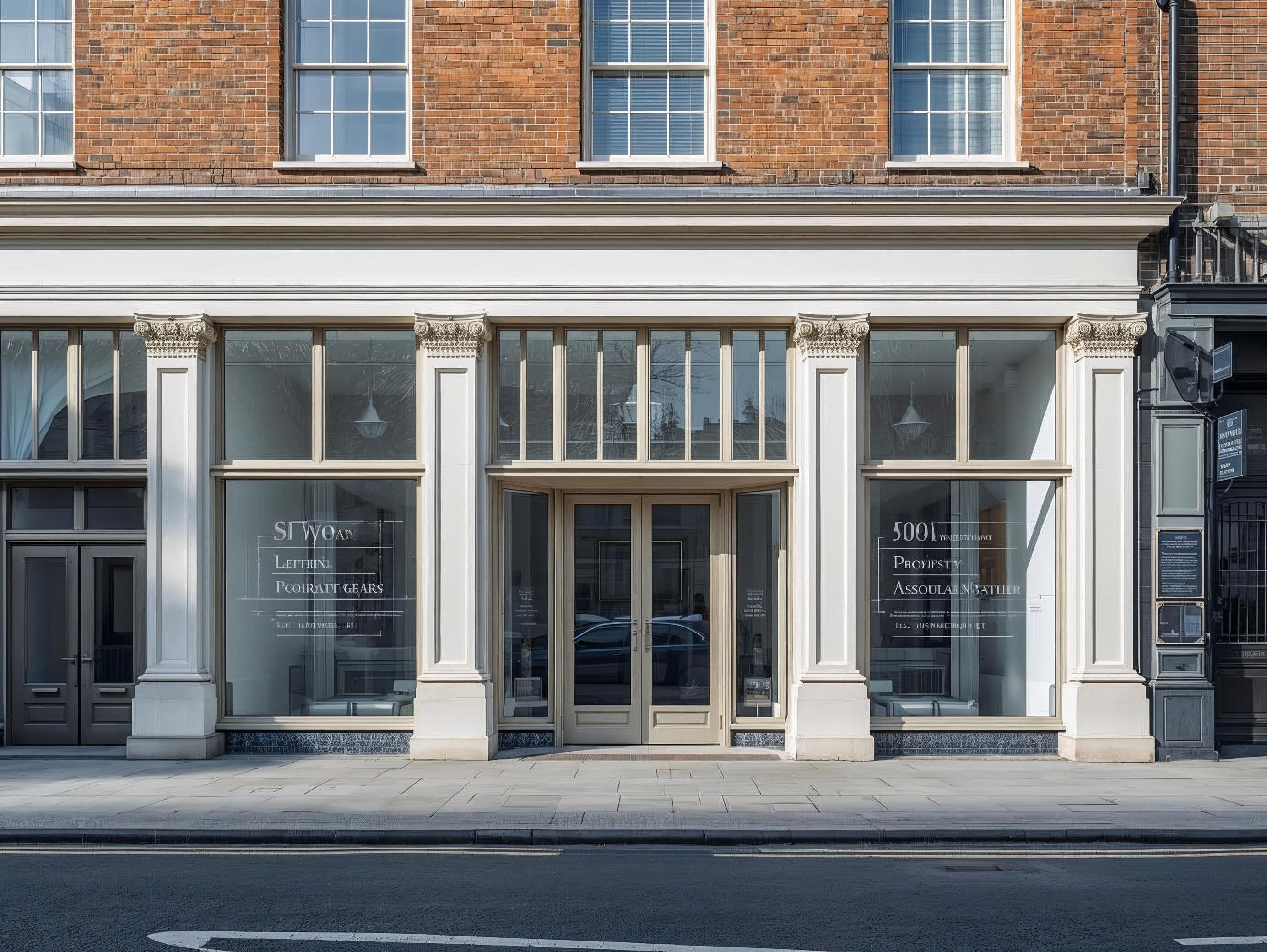
Class MA Permitted Development is a powerful legislative tool that allows buildings within Use Class E, such as shops, offices, restaurants, and light industrial spaces- to be converted into Use Class C3 residential dwellings. Because the residential property market is forecast to significantly outperform the commercial sector in the coming years due to a severe shortage of housing supply, converting underused commercial assets into residential units is a highly viable investment strategy.
The Impact of the March 2024 Updates
Recent legislative amendments have made Class MA significantly more lucrative for investors. As of March 5, 2024, the government removed the 1,500 sqm floorspace limit, meaning that large-format retail units, entire office blocks, and supermarkets can now be converted in their entirety. Furthermore, the requirement for a building to sit vacant for three months prior to application has been scrapped, allowing investors to maintain commercial rental income right up until the development begins.
Prior Approval Requirements
While Class MA bypasses full planning permission, it is not an automatic right; developers must still secure "Prior Approval" from the local planning authority. The council will assess specific impacts, including transport and highways, contamination risks, flood risks, and the impact of noise from existing commercial premises on future residents.
Crucially, developers must demonstrate the "provision of adequate natural light in all habitable rooms". Local authorities often reference the Building Research Establishment (BRE) guidelines to assess daylight and sunlight levels. If a commercial building has deep floorplates with limited windows, achieving this standard can be challenging without altering the exterior, which may trigger the need for a separate planning application.
The Full Planning Power: Maximising Gross Development Value (GDV)
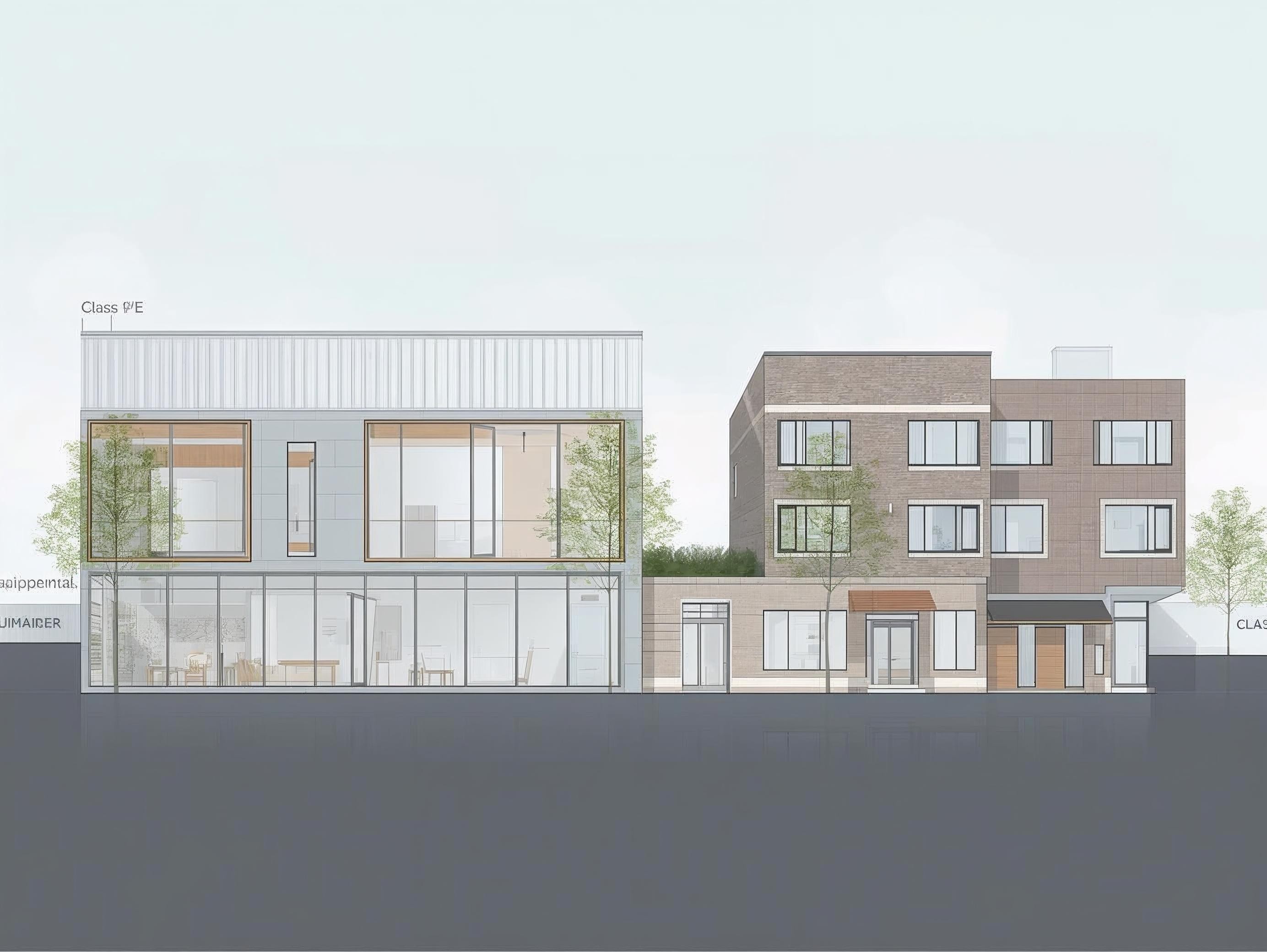
While Class MA is efficient, relying solely on permitted development can sometimes stifle a property's true earning potential. Permitted development rights come with tight restrictions on external appearance. If a project requires new windows for natural light, a two-storey upward extension, or structural footprint changes to optimise the floor area, Full Planning Permission is required.
Strategic Design for Value Creation
Applying for Full Planning Permission allows an architect to design a project that perfectly fits the target demographic. For example, developers can add large windows, sustainable materials, and private balconies. According to market surveys, thoughtful, high-quality renovations and extensions that go through the full planning process can increase a property's market value by up to 15%, attracting premium buyers and higher rental yields compared to standard permitted development conversions.
The Hybrid Approach: Strategic Layering

For sophisticated property investors, the choice is not always binary. Leading property consultants often recommend a "layered" planning approach to de-risk acquisitions and maximise site value.
First, a developer can submit a Class MA prior approval application to establish the legal principle that the commercial building can be converted to residential use. This quickly secures the baseline residential value of the site and proves that constraints like commercial noise or natural light can be overcome. Once prior approval is granted, the developer can then submit a Full Planning Application to modify the external appearance, enhance the façade, or add an extension. This strategic layering is highly effective because it breaks down planning resistance; the local authority has already accepted the principle of residential use, making negotiations for aesthetic improvements much smoother.
Navigating Legal Constraints: Article 4 and CIL
Investors must conduct rigorous due diligence before purchasing a commercial property with the assumption of using Class MA. Local Planning Authorities (LPAs) have the power to issue "Article 4 Directions," which legally withdraw permitted development rights in specific geographical areas. Councils frequently use Article 4 to protect the character of historic conservation areas or to prevent the uncontrolled loss of vital commercial office space. If a site falls under an Article 4 Direction, the developer must apply for Full Planning Permission.
Additionally, investors should be aware of the Community Infrastructure Levy (CIL). While permitted development conversions can sometimes bypass Section 106 affordable housing contributions, they may still trigger CIL payments, which are non-negotiable charges calculated per square metre of new residential floorspace. Early assessment of these potential liabilities is critical to ensuring the financial viability of the conversion.
Frequently Asked Questions
Q: What changes were made to Class MA Permitted Development in March 2024? A: As of March 5, 2024, the government removed the 1,500 sqm floorspace cap and scrapped the requirement for a building to be vacant for three months prior to application. This allows developers to convert much larger commercial buildings and entire blocks without full planning permission.
Q: Do I still need council approval if I use Class MA Permitted Development? A: Yes. While you bypass a full planning application, you must still apply for "Prior Approval." The local authority will assess specific criteria, including transport impacts, flood risks, contamination, commercial noise, and whether there is adequate natural light in all habitable rooms.
Q: Can a local council block my Permitted Development rights? A: Yes, local planning authorities can issue an "Article 4 Direction" to withdraw permitted development rights in specific areas. This is often done to protect the heritage of an area or maintain a balance of commercial spaces. If an Article 4 Direction is in place, you must apply for full planning permission.
Q: How does a layered planning strategy work for property developers? A: A layered strategy involves first securing Class MA prior approval to legally establish the principle of residential use on a commercial site. Once secured, the developer submits a subsequent full planning application to make external enhancements, such as adding balconies or altering the facade, thereby combining the speed of permitted development with the design flexibility of full planning.
Simple. Streamlined. Profitable.
Choosing between Permitted Development and Full Planning Permission requires filtering every decision through ROI, buildability, and compliance. Studio Tashkeel Architecture specialises in investment-focused design for property developers across the North West. Operating as both Project Manager and, through our sister company Tashkeel Developments, Principal Contractor, we ensure a seamless handover from the drawing board to the construction site. We handle the entire planning process on your behalf, navigating council liaisons and prior approvals to unlock your site's maximum development potential.
Key Takeaways
To accurately assess the highest Return on Investment (ROI) for commercial-to-residential conversions, property investors must weigh the speed of Permitted Development against the design flexibility of Full Planning Permission.
Class MA Permitted Development allows for the conversion of Class E commercial buildings into residential homes without a full planning application, offering faster turnarounds and lower initial consultant fees.
March 2024 Legislative Changes have drastically expanded Class MA rights by removing the previous 1,500 sqm floorspace cap and scrapping the requirement for the building to have been vacant for three months.
Full Planning Permission provides the architectural freedom to alter external facades, add extensions, and optimise unit layouts, which can significantly increase the final Gross Development Value (GDV) and property resale value.
Strategic Layering allows developers to first secure Class MA prior approval to de-risk a site's residential use, and subsequently submit a full planning application for high-value aesthetic enhancements like balconies or upward extensions.
Article 4 Directions can restrict permitted development rights in certain areas, meaning investors must conduct thorough due diligence to avoid unexpected requirements for full planning permission.
Comparing the Pathways: Class MA vs. Full Planning Permission
The decision between utilising permitted development rights or applying for full planning permission fundamentally alters a project's timeline, risk profile, and ultimate profitability. The table below outlines the core differences between the two routes:
The Class MA Advantage: Speed and Cost Efficiency | Header 2 | Header 3 |
|---|---|---|
Cell 1-1 | Cell 1-2 | Cell 1-3 |
Cell 2-1 | Cell 2-2 | Cell 2-3 |
The Class MA Advantage: Speed and Cost Efficiency
Class MA Permitted Development is a powerful legislative tool that allows buildings within Use Class E, such as shops, offices, restaurants, and light industrial spaces- to be converted into Use Class C3 residential dwellings. Because the residential property market is forecast to significantly outperform the commercial sector in the coming years due to a severe shortage of housing supply, converting underused commercial assets into residential units is a highly viable investment strategy.
The Impact of the March 2024 Updates
Recent legislative amendments have made Class MA significantly more lucrative for investors. As of March 5, 2024, the government removed the 1,500 sqm floorspace limit, meaning that large-format retail units, entire office blocks, and supermarkets can now be converted in their entirety. Furthermore, the requirement for a building to sit vacant for three months prior to application has been scrapped, allowing investors to maintain commercial rental income right up until the development begins.
Prior Approval Requirements
While Class MA bypasses full planning permission, it is not an automatic right; developers must still secure "Prior Approval" from the local planning authority. The council will assess specific impacts, including transport and highways, contamination risks, flood risks, and the impact of noise from existing commercial premises on future residents.
Crucially, developers must demonstrate the "provision of adequate natural light in all habitable rooms". Local authorities often reference the Building Research Establishment (BRE) guidelines to assess daylight and sunlight levels. If a commercial building has deep floorplates with limited windows, achieving this standard can be challenging without altering the exterior, which may trigger the need for a separate planning application.
The Full Planning Power: Maximising Gross Development Value (GDV)
While Class MA is efficient, relying solely on permitted development can sometimes stifle a property's true earning potential. Permitted development rights come with tight restrictions on external appearance. If a project requires new windows for natural light, a two-storey upward extension, or structural footprint changes to optimise the floor area, Full Planning Permission is required.
Strategic Design for Value Creation
Applying for Full Planning Permission allows an architect to design a project that perfectly fits the target demographic. For example, developers can add large windows, sustainable materials, and private balconies. According to market surveys, thoughtful, high-quality renovations and extensions that go through the full planning process can increase a property's market value by up to 15%, attracting premium buyers and higher rental yields compared to standard permitted development conversions.
The Hybrid Approach: Strategic Layering
For sophisticated property investors, the choice is not always binary. Leading property consultants often recommend a "layered" planning approach to de-risk acquisitions and maximise site value.
First, a developer can submit a Class MA prior approval application to establish the legal principle that the commercial building can be converted to residential use. This quickly secures the baseline residential value of the site and proves that constraints like commercial noise or natural light can be overcome. Once prior approval is granted, the developer can then submit a Full Planning Application to modify the external appearance, enhance the façade, or add an extension. This strategic layering is highly effective because it breaks down planning resistance; the local authority has already accepted the principle of residential use, making negotiations for aesthetic improvements much smoother.
Navigating Legal Constraints: Article 4 and CIL
Investors must conduct rigorous due diligence before purchasing a commercial property with the assumption of using Class MA. Local Planning Authorities (LPAs) have the power to issue "Article 4 Directions," which legally withdraw permitted development rights in specific geographical areas. Councils frequently use Article 4 to protect the character of historic conservation areas or to prevent the uncontrolled loss of vital commercial office space. If a site falls under an Article 4 Direction, the developer must apply for Full Planning Permission.
Additionally, investors should be aware of the Community Infrastructure Levy (CIL). While permitted development conversions can sometimes bypass Section 106 affordable housing contributions, they may still trigger CIL payments, which are non-negotiable charges calculated per square metre of new residential floorspace. Early assessment of these potential liabilities is critical to ensuring the financial viability of the conversion.
Frequently Asked Questions
Q: What changes were made to Class MA Permitted Development in March 2024? A: As of March 5, 2024, the government removed the 1,500 sqm floorspace cap and scrapped the requirement for a building to be vacant for three months prior to application. This allows developers to convert much larger commercial buildings and entire blocks without full planning permission.
Q: Do I still need council approval if I use Class MA Permitted Development? A: Yes. While you bypass a full planning application, you must still apply for "Prior Approval." The local authority will assess specific criteria, including transport impacts, flood risks, contamination, commercial noise, and whether there is adequate natural light in all habitable rooms.
Q: Can a local council block my Permitted Development rights? A: Yes, local planning authorities can issue an "Article 4 Direction" to withdraw permitted development rights in specific areas. This is often done to protect the heritage of an area or maintain a balance of commercial spaces. If an Article 4 Direction is in place, you must apply for full planning permission.
Q: How does a layered planning strategy work for property developers? A: A layered strategy involves first securing Class MA prior approval to legally establish the principle of residential use on a commercial site. Once secured, the developer submits a subsequent full planning application to make external enhancements, such as adding balconies or altering the facade, thereby combining the speed of permitted development with the design flexibility of full planning.
Simple. Streamlined. Profitable.
Choosing between Permitted Development and Full Planning Permission requires filtering every decision through ROI, buildability, and compliance. Studio Tashkeel Architecture specialises in investment-focused design for property developers across the North West. Operating as both Project Manager and, through our sister company Tashkeel Developments, Principal Contractor, we ensure a seamless handover from the drawing board to the construction site. We handle the entire planning process on your behalf, navigating council liaisons and prior approvals to unlock your site's maximum development potential.
Key Takeaways
To accurately assess the highest Return on Investment (ROI) for commercial-to-residential conversions, property investors must weigh the speed of Permitted Development against the design flexibility of Full Planning Permission.
Class MA Permitted Development allows for the conversion of Class E commercial buildings into residential homes without a full planning application, offering faster turnarounds and lower initial consultant fees.
March 2024 Legislative Changes have drastically expanded Class MA rights by removing the previous 1,500 sqm floorspace cap and scrapping the requirement for the building to have been vacant for three months.
Full Planning Permission provides the architectural freedom to alter external facades, add extensions, and optimise unit layouts, which can significantly increase the final Gross Development Value (GDV) and property resale value.
Strategic Layering allows developers to first secure Class MA prior approval to de-risk a site's residential use, and subsequently submit a full planning application for high-value aesthetic enhancements like balconies or upward extensions.
Article 4 Directions can restrict permitted development rights in certain areas, meaning investors must conduct thorough due diligence to avoid unexpected requirements for full planning permission.
Comparing the Pathways: Class MA vs. Full Planning Permission
The decision between utilising permitted development rights or applying for full planning permission fundamentally alters a project's timeline, risk profile, and ultimate profitability. The table below outlines the core differences between the two routes:
The Class MA Advantage: Speed and Cost Efficiency | Header 2 | Header 3 |
|---|---|---|
Cell 1-1 | Cell 1-2 | Cell 1-3 |
Cell 2-1 | Cell 2-2 | Cell 2-3 |
The Class MA Advantage: Speed and Cost Efficiency
Class MA Permitted Development is a powerful legislative tool that allows buildings within Use Class E, such as shops, offices, restaurants, and light industrial spaces- to be converted into Use Class C3 residential dwellings. Because the residential property market is forecast to significantly outperform the commercial sector in the coming years due to a severe shortage of housing supply, converting underused commercial assets into residential units is a highly viable investment strategy.
The Impact of the March 2024 Updates
Recent legislative amendments have made Class MA significantly more lucrative for investors. As of March 5, 2024, the government removed the 1,500 sqm floorspace limit, meaning that large-format retail units, entire office blocks, and supermarkets can now be converted in their entirety. Furthermore, the requirement for a building to sit vacant for three months prior to application has been scrapped, allowing investors to maintain commercial rental income right up until the development begins.
Prior Approval Requirements
While Class MA bypasses full planning permission, it is not an automatic right; developers must still secure "Prior Approval" from the local planning authority. The council will assess specific impacts, including transport and highways, contamination risks, flood risks, and the impact of noise from existing commercial premises on future residents.
Crucially, developers must demonstrate the "provision of adequate natural light in all habitable rooms". Local authorities often reference the Building Research Establishment (BRE) guidelines to assess daylight and sunlight levels. If a commercial building has deep floorplates with limited windows, achieving this standard can be challenging without altering the exterior, which may trigger the need for a separate planning application.
The Full Planning Power: Maximising Gross Development Value (GDV)
While Class MA is efficient, relying solely on permitted development can sometimes stifle a property's true earning potential. Permitted development rights come with tight restrictions on external appearance. If a project requires new windows for natural light, a two-storey upward extension, or structural footprint changes to optimise the floor area, Full Planning Permission is required.
Strategic Design for Value Creation
Applying for Full Planning Permission allows an architect to design a project that perfectly fits the target demographic. For example, developers can add large windows, sustainable materials, and private balconies. According to market surveys, thoughtful, high-quality renovations and extensions that go through the full planning process can increase a property's market value by up to 15%, attracting premium buyers and higher rental yields compared to standard permitted development conversions.
The Hybrid Approach: Strategic Layering
For sophisticated property investors, the choice is not always binary. Leading property consultants often recommend a "layered" planning approach to de-risk acquisitions and maximise site value.
First, a developer can submit a Class MA prior approval application to establish the legal principle that the commercial building can be converted to residential use. This quickly secures the baseline residential value of the site and proves that constraints like commercial noise or natural light can be overcome. Once prior approval is granted, the developer can then submit a Full Planning Application to modify the external appearance, enhance the façade, or add an extension. This strategic layering is highly effective because it breaks down planning resistance; the local authority has already accepted the principle of residential use, making negotiations for aesthetic improvements much smoother.
Navigating Legal Constraints: Article 4 and CIL
Investors must conduct rigorous due diligence before purchasing a commercial property with the assumption of using Class MA. Local Planning Authorities (LPAs) have the power to issue "Article 4 Directions," which legally withdraw permitted development rights in specific geographical areas. Councils frequently use Article 4 to protect the character of historic conservation areas or to prevent the uncontrolled loss of vital commercial office space. If a site falls under an Article 4 Direction, the developer must apply for Full Planning Permission.
Additionally, investors should be aware of the Community Infrastructure Levy (CIL). While permitted development conversions can sometimes bypass Section 106 affordable housing contributions, they may still trigger CIL payments, which are non-negotiable charges calculated per square metre of new residential floorspace. Early assessment of these potential liabilities is critical to ensuring the financial viability of the conversion.
Frequently Asked Questions
Q: What changes were made to Class MA Permitted Development in March 2024? A: As of March 5, 2024, the government removed the 1,500 sqm floorspace cap and scrapped the requirement for a building to be vacant for three months prior to application. This allows developers to convert much larger commercial buildings and entire blocks without full planning permission.
Q: Do I still need council approval if I use Class MA Permitted Development? A: Yes. While you bypass a full planning application, you must still apply for "Prior Approval." The local authority will assess specific criteria, including transport impacts, flood risks, contamination, commercial noise, and whether there is adequate natural light in all habitable rooms.
Q: Can a local council block my Permitted Development rights? A: Yes, local planning authorities can issue an "Article 4 Direction" to withdraw permitted development rights in specific areas. This is often done to protect the heritage of an area or maintain a balance of commercial spaces. If an Article 4 Direction is in place, you must apply for full planning permission.
Q: How does a layered planning strategy work for property developers? A: A layered strategy involves first securing Class MA prior approval to legally establish the principle of residential use on a commercial site. Once secured, the developer submits a subsequent full planning application to make external enhancements, such as adding balconies or altering the facade, thereby combining the speed of permitted development with the design flexibility of full planning.
Simple. Streamlined. Profitable.
Choosing between Permitted Development and Full Planning Permission requires filtering every decision through ROI, buildability, and compliance. Studio Tashkeel Architecture specialises in investment-focused design for property developers across the North West. Operating as both Project Manager and, through our sister company Tashkeel Developments, Principal Contractor, we ensure a seamless handover from the drawing board to the construction site. We handle the entire planning process on your behalf, navigating council liaisons and prior approvals to unlock your site's maximum development potential.
Continue Reading
Explore ideas, trends, and behind-the-scenes stories from our studio.